ENFJ Personality Type: Traits ,Strengths, Careers & Relationships
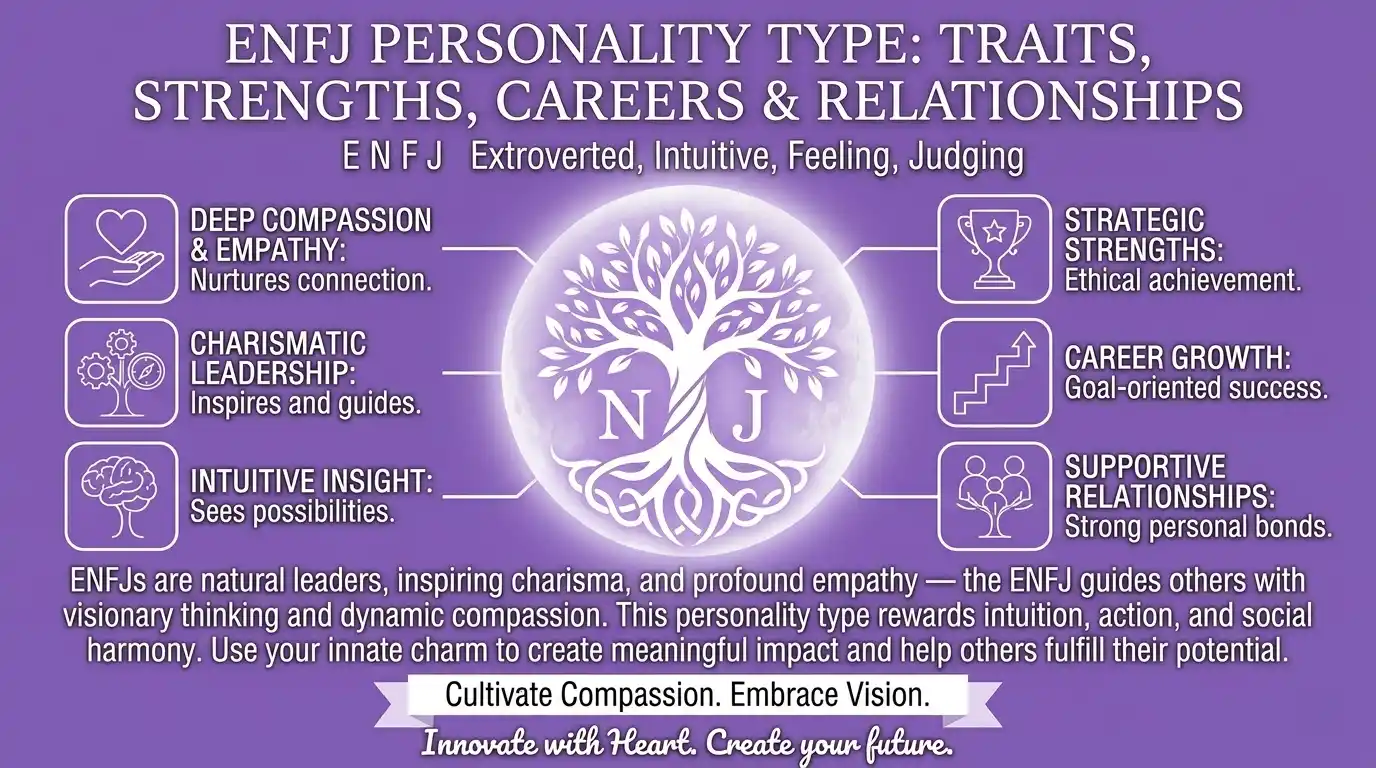
The ENFJ personality type is part of the Myers-Briggs Type Indicator (MBTI) and is often called “The Protagonist” or “The Teacher.” People with this personality are known for their charisma, empathy, and natural leadership. They have a unique ability to understand others’ emotions and inspire them to grow.
ENFJs are outgoing and social, yet deeply caring and intuitive. They value meaningful relationships and thrive in roles where they can make a positive impact. Whether in their careers, friendships, or personal life, ENFJs bring energy, encouragement, and a strong sense of purpose. This guide will explore their key traits, strengths, career paths, and how they relate to others.
What Is the ENFJ Personality Type?
ENFJ personality is one of the 16 personality types in the Myers-Briggs Type Indicator (MBTI). ENFJ stands for Extraverted, Intuitive, Feeling, and Judging. People with this personality type are often known as “The Protagonist” or “The Giver.” They enjoy guiding and inspiring people, creating harmony, and building strong connections.
ENFJs have a strong sense of purpose and a desire to make a positive impact. They are organized, goal-oriented, and future-focused, yet compassionate and caring. In personal relationships and professional settings, ENFJs excel by helping others grow and succeed.
What Does ENFJ Stand For?
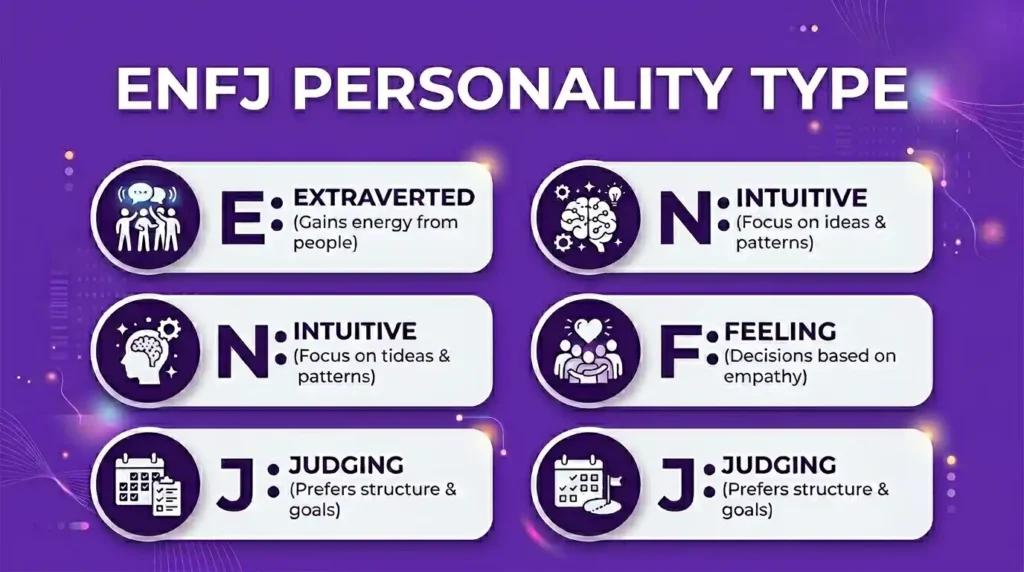
The ENFJ personality type is made up of four key traits: Extraverted, Intuitive, Feeling, and Judging. Each letter represents a core aspect of how ENFJs think, feel, and interact with the world. Understanding what each letter means helps explain why ENFJs are natural leaders, empathetic, and highly motivated to support others.
Extraverted (E)
Extraverted ENFJs gain energy from being around people. They enjoy social interactions, leading groups, and building connections, which helps them feel motivated and engaged.
Intuitive (N)
Intuitive ENFJs focus on ideas, possibilities, and the bigger picture. They are imaginative and future-oriented, often noticing patterns and opportunities that others might miss.
Feeling (F)
ENFJs make decisions based on empathy and values. They are caring, compassionate, and sensitive to the needs and emotions of those around them.
Judging (J)
Judging ENFJs prefer structure and organization. They like planning ahead, setting goals, and following through, which helps them achieve results and stay dependable.
ENFJ Cognitive Functions Explained
The cognitive functions of an ENFJ reveal how they process information, make decisions, and interact with the world. These mental processes shape their natural strengths, behaviors, and ways of connecting with others. Understanding these functions helps explain why ENFJs are empathetic leaders, future-focused thinkers, and highly attuned to people around them.
Dominant – Extraverted Feeling (Fe)
The dominant function of ENFJs is Extraverted Feeling (Fe), which drives their empathy and social awareness. They naturally tune into the emotions, needs, and moods of others, often prioritizing harmony and cooperation. This function makes them persuasive, compassionate, and skilled at building strong relationships.
Auxiliary – Introverted Intuition (Ni)
The auxiliary function, Introverted Intuition (Ni), helps ENFJs see patterns, underlying meanings, and long-term possibilities. It allows them to anticipate outcomes, make strategic decisions, and understand the bigger picture beyond immediate events.
Tertiary – Extraverted Sensing (Se)
Extraverted Sensing (Se) is the tertiary function, giving ENFJs awareness of their surroundings and attention to present details. While not as dominant, it helps them notice opportunities, adapt quickly, and stay connected to the real world.
Inferior – Introverted Thinking (Ti)
The inferior function, Introverted Thinking (Ti), focuses on logic, analysis, and objective reasoning. For ENFJs, this function is less developed, but when strengthened, it helps them make balanced decisions by combining empathy with critical thinking.
ENFJ-A vs ENFJ-T (Assertive vs Turbulent)
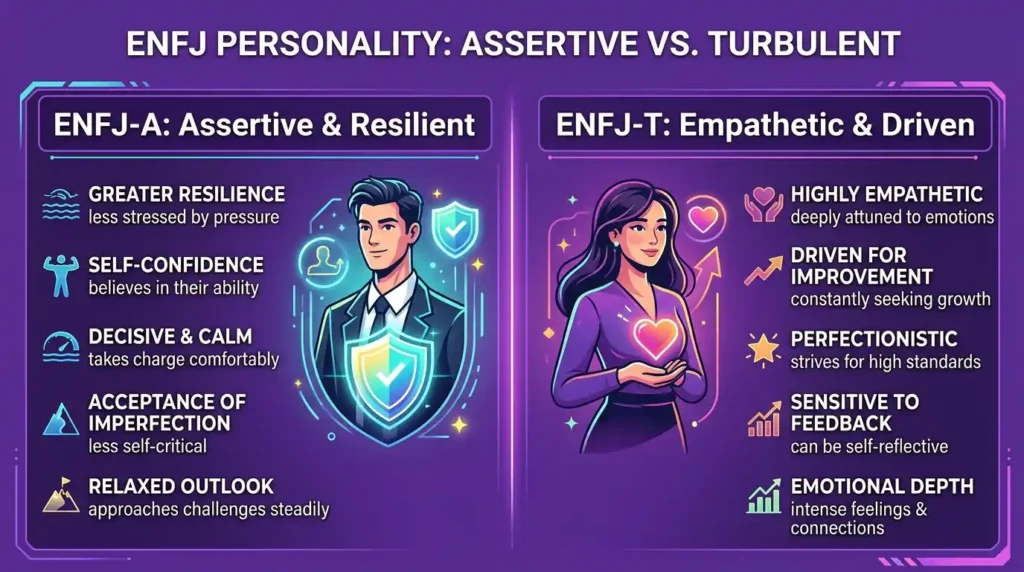
ENFJs are divided into two subtypes based on how they respond to stress and handle confidence: ENFJ-A (Assertive) and ENFJ-T (Turbulent). While both share the core ENFJ traits of empathy, leadership, and vision, they differ in their approach to challenges, self-perception, and emotional reactions.
ENFJ-A Personality Traits
- Confident and self-assured in decisions and actions
- Handles stress with calm and resilience
- Optimistic and focused on achieving goals
- Less likely to be affected by criticism or self-doubt
- Natural leaders who inspire others with ease
ENFJ-T Personality Traits
- More sensitive to stress and external pressures
- Prone to self-reflection and occasional self-doubt
- Motivated by the desire to improve and adapt
- Emotionally aware, sometimes overthinking situations
- Driven to support others while managing inner tension
How Rare Is the ENFJ Personality Type?
The ENFJ personality type is considered one of the rarer Myers-Briggs types. Only about 2–5% of the population are ENFJs, making them relatively uncommon compared to other personality types.
ENFJs stand out for their natural leadership, empathy, and strong people skills. Their combination of charisma, vision, and emotional intelligence allows them to inspire and guide others, which makes them highly noticeable despite their small numbers.
Key Characteristics
ENFJs are known for their charisma, empathy, and strong leadership abilities. They naturally connect with others, understand emotions, and work to create harmony in their surroundings. Their combination of people skills, vision, and organization makes them inspiring and influential.
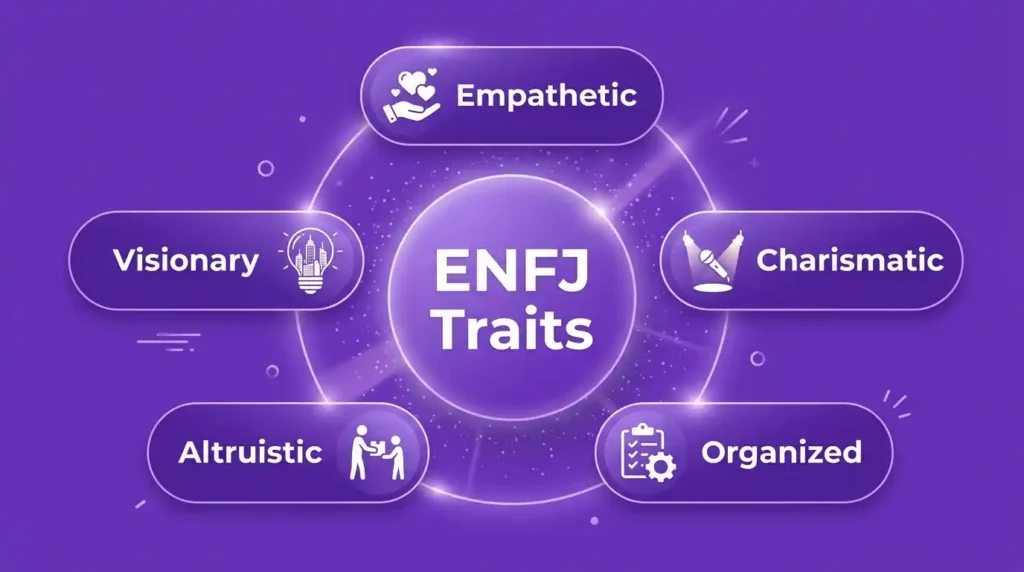
- Empathetic: Highly aware of other people’s feelings and needs
- Charismatic: Naturally inspires and motivates those around them
- Organized: Likes planning, structure, and setting clear goals
- Altruistic: Focused on helping and supporting others
- Visionary: Thinks about the bigger picture and future possibilities
- Socially Skilled: Excellent at communication and building relationships
- Decisive: Confident in making decisions while considering others’ perspectives
Common ENFJ Traits
ENFJs are warm, engaging, and highly people-oriented. They are driven by a desire to make a positive impact and build meaningful connections. These traits make them natural leaders, supportive friends, and inspiring colleagues.
- Empathetic: Understand and share the feelings of others easily
- Charismatic: Attracts and motivates people naturally
- Organized: Prefers planning and structure in daily life
- Supportive: Always ready to help others grow and succeed
- Visionary: Sees the bigger picture and future possibilities
- Diplomatic: Skilled at resolving conflicts and maintaining harmony
- Sociable: Enjoys connecting and engaging with different people
- Responsible: Reliable and committed to their goals and relationships
ENFJ Strengths vs Potential Weaknesses
| Strengths of ENFJs | Potential Weaknesses of ENFJs |
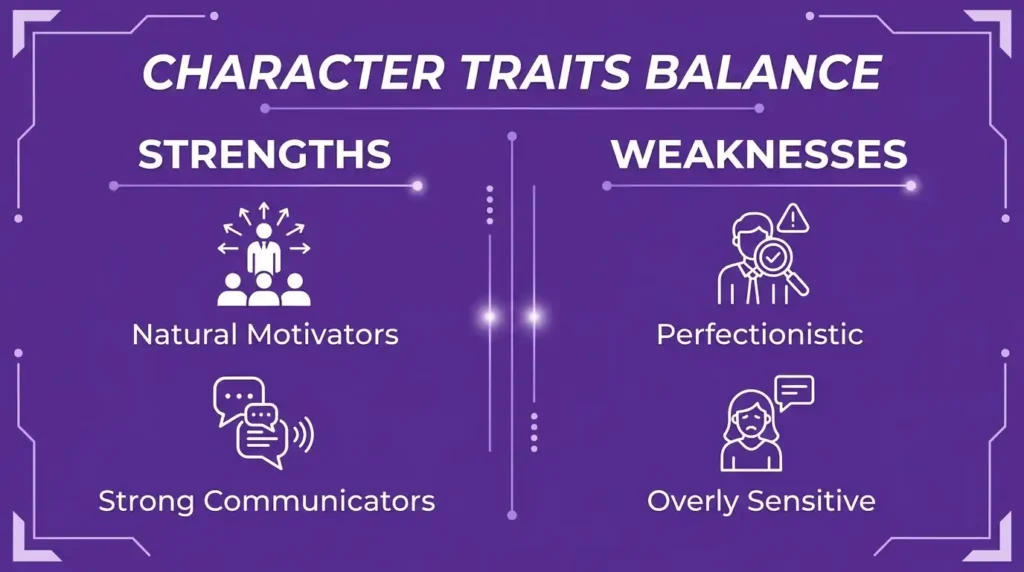
| Highly empathetic and understanding | Can become overly sensitive to criticism |
| Natural leaders and inspiring motivators | May overextend themselves to help others |
| Strong communication and social skills | Sometimes neglect personal needs for others |
| Organized and goal-oriented | Can be perfectionistic or controlling |
| Charismatic and persuasive | May struggle with making objective decisions |
| Visionary and forward-thinking | Can be overly idealistic or unrealistic |
| Loyal and supportive friends | May feel stressed or overwhelmed under pressure |
How to Recognize an ENFJ
ENFJs are warm, energetic, and highly attuned to the feelings of others, making them easy to recognize. They naturally listen with empathy and offer encouragement to help people achieve their best. With a charismatic presence, they draw others in and make people feel valued and understood.
ENFJs are also organized and goal-oriented, often planning ahead and keeping things structured. They excel at resolving conflicts, seeking harmony, and thinking about long-term possibilities. Above all, their genuine care for others and desire to make a positive impact sets them apart.
Best Career Paths for ENFJs
ENFJs thrive in careers that allow them to lead, inspire, and support others. They are highly empathetic, organized, and socially skilled, making them excellent in roles that involve communication, collaboration, and helping people grow. Careers that align with their values and allow them to make a positive impact tend to be the most fulfilling.
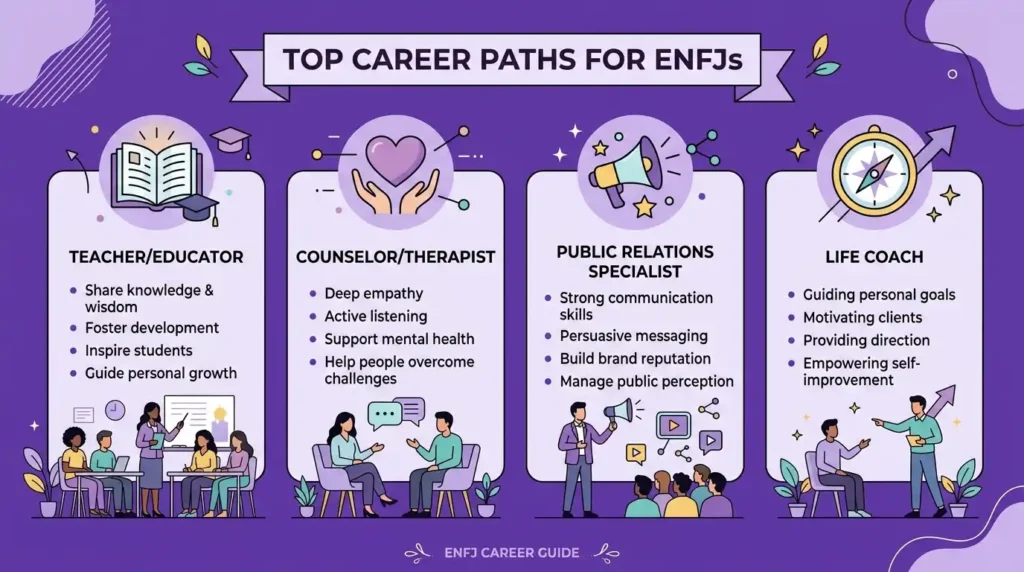
- Teacher / Educator
- Counselor / Therapist
- Human Resources Manager
- Public Relations Specialist
- Social Worker
- Healthcare Professional (e.g., Nurse, Doctor)
- Motivational Speaker / Life Coach
- Nonprofit Manager / Community Organizer
- Event Planner
- Leadership Trainer / Corporate Coach
Famous ENFJs You Might Know
Abraham Maslow – Psychologist and human motivation researcher
Peyton Manning – Professional football player
Barack Obama – Former U.S. President
Bono – Musician and activist
Elizabeth Bennet – Fictional character from Pride and Prejudice
What Do ENFJs Value Most?
ENFJs place a high value on relationships, personal growth, and making a positive impact compared to the INTP personality. They deeply care about the well-being of others and strive to create harmony in their environment. Meaningful connections, trust, and loyalty are especially important to them, as they seek to support and inspire people around them.
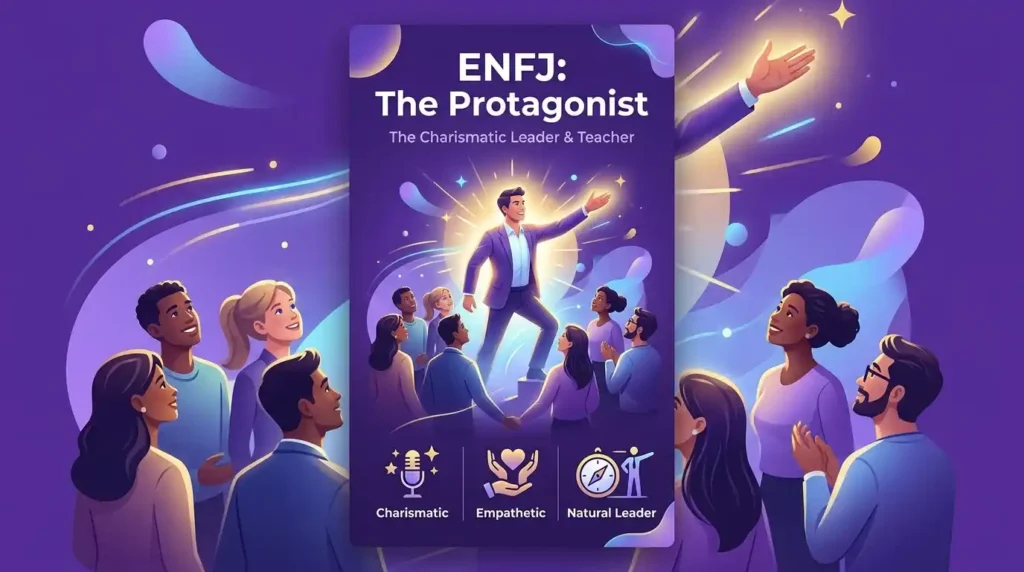
They also value purpose and personal development, both for themselves and others. ENFJs are motivated by goals that align with their values and often dedicate time to helping others achieve their potential. Honesty, empathy, and mutual respect are core principles that guide their decisions and interactions in all areas of life.
ENFJs in Relationships
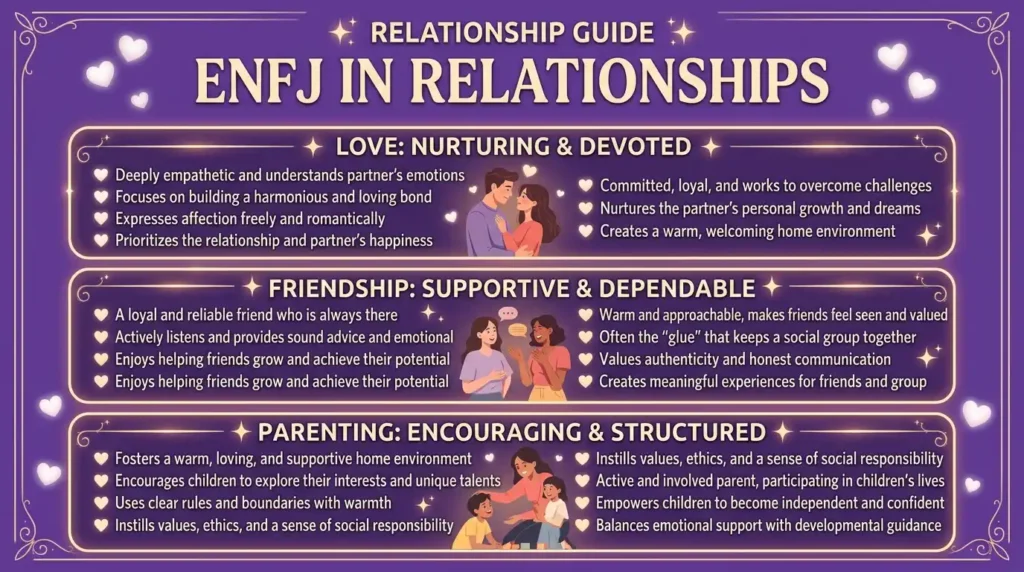
ENFJs are caring, empathetic, and highly committed in all types of relationships. They seek deep connections and prioritize the emotional well-being of the people they care about. Their natural charisma and people skills make them loyal partners, supportive friends, and attentive parents.
Romantic Relationships
In romantic relationships, ENFJs are loving, devoted, and attentive. They thrive on emotional intimacy and open communication, often going out of their way to meet their partner’s needs. ENFJs value loyalty and mutual growth, making them nurturing and inspiring partners who enjoy building a shared future.
Friendships
ENFJs are loyal and supportive friends who genuinely care about the happiness of others. They are excellent listeners, provide guidance when needed, and often take the initiative to maintain strong connections. Their empathy and optimism make them fun, dependable, and uplifting companions.
Parenting Style
As parents, ENFJs are nurturing, encouraging, and highly involved in their children’s lives. They teach values through guidance and example, focusing on emotional development and personal growth. ENFJ parents strive to create a supportive, structured environment where children feel loved, understood, and motivated to reach their potential.
How to Interact With an ENFJ
Interacting with an ENFJ is rewarding, as they are warm, empathetic, and genuinely interested in others. To build a strong connection, it’s important to communicate openly, show appreciation, and respect their values and opinions. ENFJs respond positively to honesty, encouragement, and thoughtful consideration.
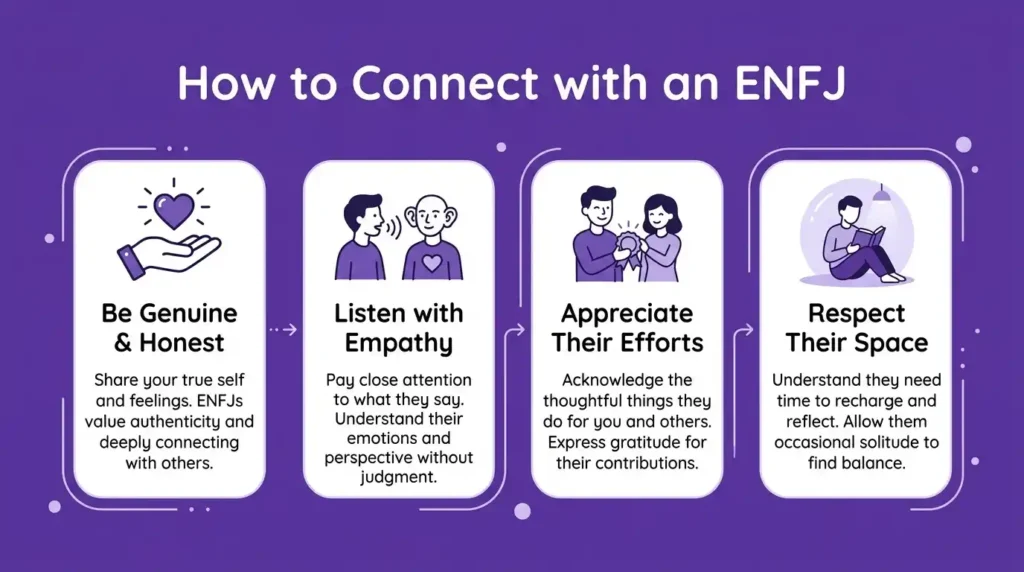
- Listen and empathize: Acknowledge their feelings and perspectives.
- Be open and honest: ENFJs value transparency and sincerity.
- Offer support and encouragement: They thrive when mutual growth is encouraged.
- Respect their boundaries: While caring deeply for others, they also need personal space at times.
- Appreciate their efforts: ENFJs often go out of their way to help and inspire, so recognition matters.
Conclusion
ENFJ personality types are caring and charismatic. People with this type are natural leaders who enjoy helping others grow. Their empathy and vision make them great at building strong connections.
ENFJ personalities can sometimes overextend themselves or take criticism personally. Despite this, they remain dedicated and supportive. Their warmth and guidance leave a positive impact on everyone around them.