
Many people go through life feeling misunderstood struggling to communicate clearly with colleagues, friends, or even family. Career choices can feel confusing, and teamwork often leads to tension rather than cooperation. Without a clear understanding of your natural tendencies, it’s easy to make decisions that don’t align with your strengths, leaving you frustrated and unsure of your path.
This is where the Myers-Briggs Type Indicator (MBTI) can help. By identifying your unique personality type, MBTI reveals your natural preferences and patterns of thinking, feeling, and interacting. With this insight, you can improve communication, make better career and life decisions, and build stronger relationships, unlocking personal and professional growth that feels natural and intentional.
What is the MBTI?
The MBTI is a personality assessment tool that helps people understand how they think, feel, and behave in daily life. It is designed to show different personality preferences, not to judge whether someone is right or wrong. MBTI helps individuals learn more about themselves and understand why people may act differently in the same situation.
MBTI divides personalities into 16 types based on four key areas: how people get energy, how they take in information, how they make decisions, and how they organize their lives. Each personality type is shown using four letters, such as INFJ or ESTP. This tool is commonly used for self-awareness, career choices, and improving communication with others.
What Does MBTI Stand For?
MBTI stands for Myers-Briggs Type Indicator. It is a personality assessment tool used to understand how people think, feel, and behave. The name comes from its creators, Katharine Cook Briggs and her daughter Isabel Briggs Myers, who developed the system to explain personality differences in a simple way.
What Do the Myers-Briggs Type Indicator Letters Mean?
The MBTI personality types are represented by four letters, each showing a person’s preference in a specific area. Together, these letters describe how someone thinks, feels, and behaves. Understanding what each letter means can help you make sense of your personality type.
- E (Extraversion): Gains energy from being around people and social activities.
- I (Introversion): Gains energy from spending time alone and reflecting.
- S (Sensing): Focuses on facts, details, and practical information.
- N (Intuition): Focuses on ideas, possibilities, and the big picture.
- T (Thinking): Makes decisions based on logic and objective analysis.
- F (Feeling): Makes decisions based on emotions, values, and empathy.
- J (Judging): Prefers structure, planning, and organized schedules.
- P (Perceiving): Prefers flexibility, spontaneity, and keeping options open.
The History of the MBTI
The history of the MBTI began in the early 20th century. Katharine Cook Briggs first became interested in personality differences after observing how people behave in different situations. She studied human behavior and later discovered the work of psychologist Carl Jung, whose ideas about personality strongly influenced the MBTI.
Katharine and her daughter Isabel Briggs Myers worked together to turn these ideas into a practical personality tool. During World War II, Isabel developed the MBTI to help people choose jobs that suited their personality strengths. Over time, the MBTI became widely used in schools, workplaces, and personal development programs around the world.
How Does the Myers-Briggs Type Indicator Work?
The MBTI works by asking people a series of simple questions about how they think, feel, and act in everyday situations.
Understanding Personality Preferences
The MBTI helps people learn about their natural ways of thinking, feeling, and interacting with the world. It focuses on four main areas: how you get energy, how you take in information, how you make decisions, and how you approach daily life. Each person’s preferences in these areas combine to form one of 16 unique personality types.
Professional Guidance for Results
MBTI assessments are usually explained by a trained professional, ensuring that the results are clear and meaningful. This guidance helps people use their personality insights in practical ways, avoiding misunderstandings about what the results mean.
Purpose of the MBTI
The MBTI is designed to increase self-awareness and help people understand themselves and others better. It is not a test for measuring skills or predicting job success, but rather a tool for personal growth, communication, and teamwork.
The MBTI Preference Pairs
The MBTI personality framework is based on four preference pairs, each representing opposite ways people tend to think, feel, and act. Everyone leans toward one side of each pair, and these preferences combine to form a unique personality type. Understanding these pairs can help you better understand yourself and others in daily life, relationships, and work.
Extraversion (E) vs Introversion (I)
This pair shows where people get their energy.
- Extraverts (E) feel energized by spending time with others. They enjoy social activities, talking, and collaborating, and often think out loud to process ideas.
- Introverts (I) feel energized by spending time alone or in quiet settings. They prefer reflection, deep thinking, and focusing on one task at a time. Introverts may need alone time to recharge after social interactions.
Sensing (S) vs Intuition (N)
This pair explains how people take in information.
- Sensing (S) types pay attention to facts, details, and practical information. They notice what is real and present, and often rely on past experiences when making decisions.
- Intuitive (N) types focus on patterns, possibilities, and the bigger picture. They enjoy imagining future scenarios and thinking creatively rather than just focusing on immediate facts.
Thinking (T) vs Feeling (F)
This pair describes how people make decisions.
- Thinking (T) types rely on logic, reason, and objective analysis. They make decisions by evaluating pros and cons and value fairness over personal feelings.
- Feeling (F) types consider emotions, values, and the impact on others when making choices. They prioritize harmony, empathy, and personal connections in their decisions.
Judging (J) vs Perceiving (P)
This pair shows how people approach life and organize themselves.
- Judging (J) types prefer structure, planning, and clear decisions. They like schedules and feel more comfortable when things are organized and settled.
- Perceiving (P) types enjoy flexibility, spontaneity, and keeping options open. They adapt easily to change and prefer a go-with-the-flow approach rather than strict plans.
16 Myers-Briggs Type Indicator Personality Types
The MBTI divides people into 16 personality types based on the four preference pairs: Extraversion (E) vs Introversion (I), Sensing (S) vs Intuition (N), Thinking (T) vs Feeling (F), and Judging (J) vs Perceiving (P). Each type has unique strengths, tendencies, and ways of interacting with the world.
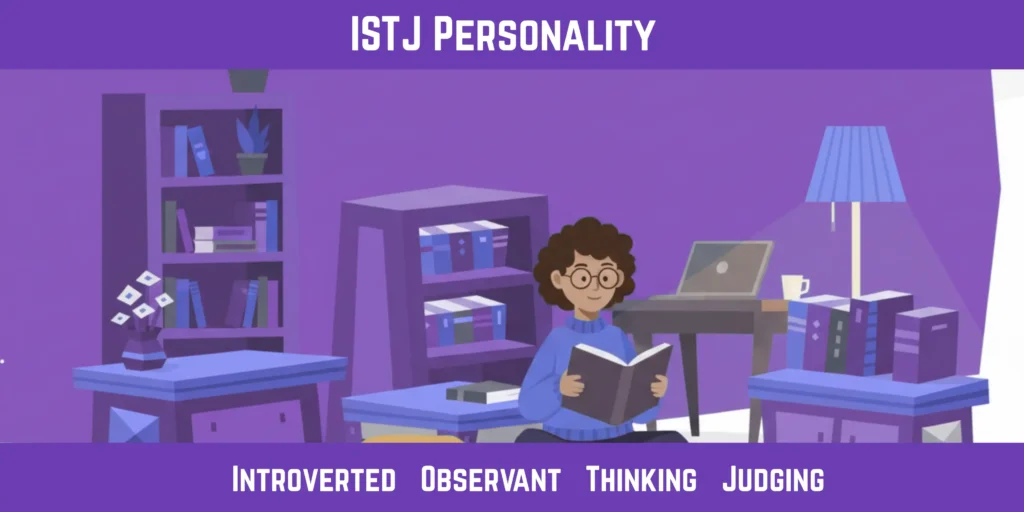
1. ISTJ – The Responsible Organizer
ISTJs are practical, reliable, and hardworking. They value tradition and rules, prefer structure, and focus on facts and details. They are excellent at planning and following through on commitments.
2. ISFJ – The Nurturing Protector
ISFJs are caring, loyal, and dependable. They are sensitive to others’ needs and often go out of their way to help. They enjoy creating harmony and maintaining stability in their environment.
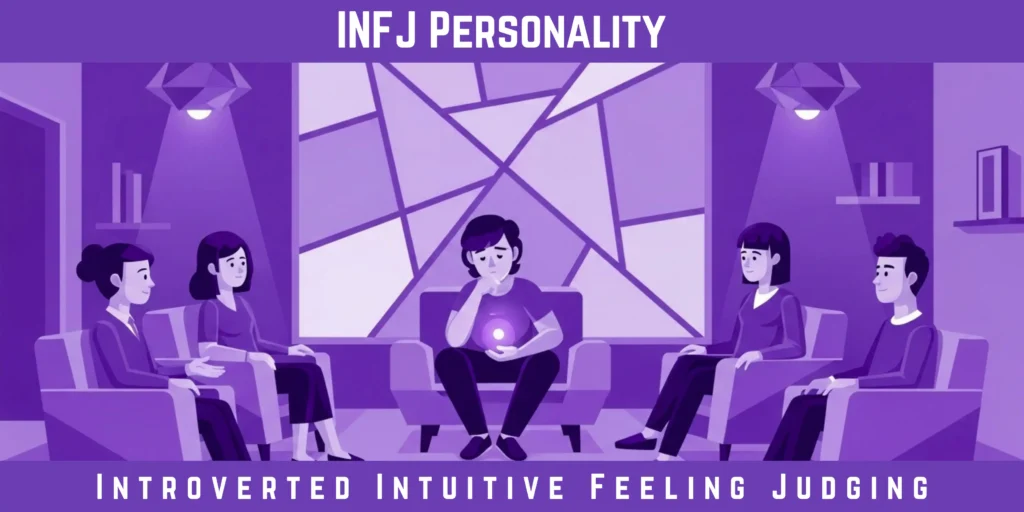
3. INFJ – The Insightful Visionary
INFJs are thoughtful, creative, and idealistic. They have strong intuition and empathy, often understanding people’s emotions deeply. They are driven by purpose and long-term goals.
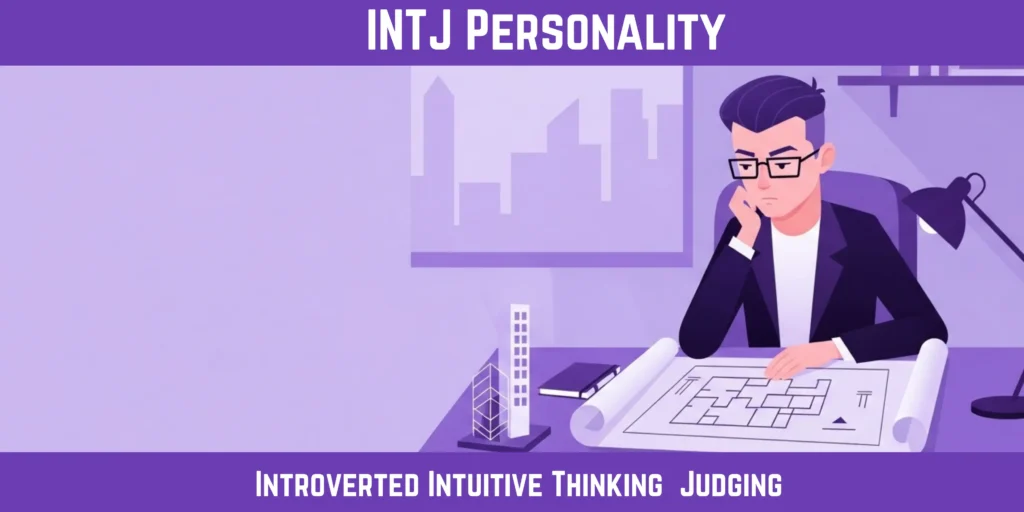
4. INTJ – The Strategic Thinker
INTJs are independent, analytical, and strategic. They enjoy planning for the future and solving complex problems. They are often visionaries who like to create innovative solutions.
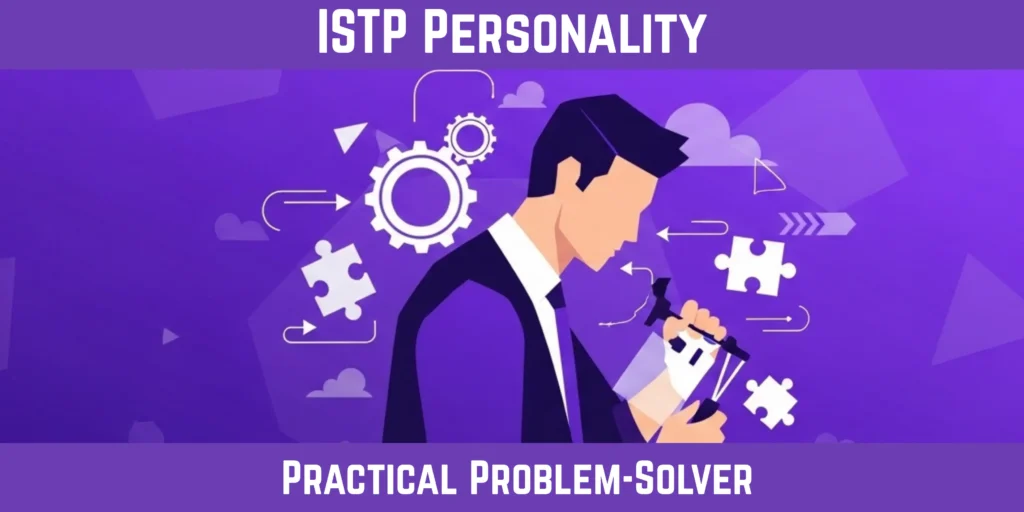
5. ISTP – The Practical Problem-Solver
ISTPs are adaptable, observant, and action-oriented. They enjoy hands-on work and solving immediate problems. They are logical and like to experiment with practical solutions.
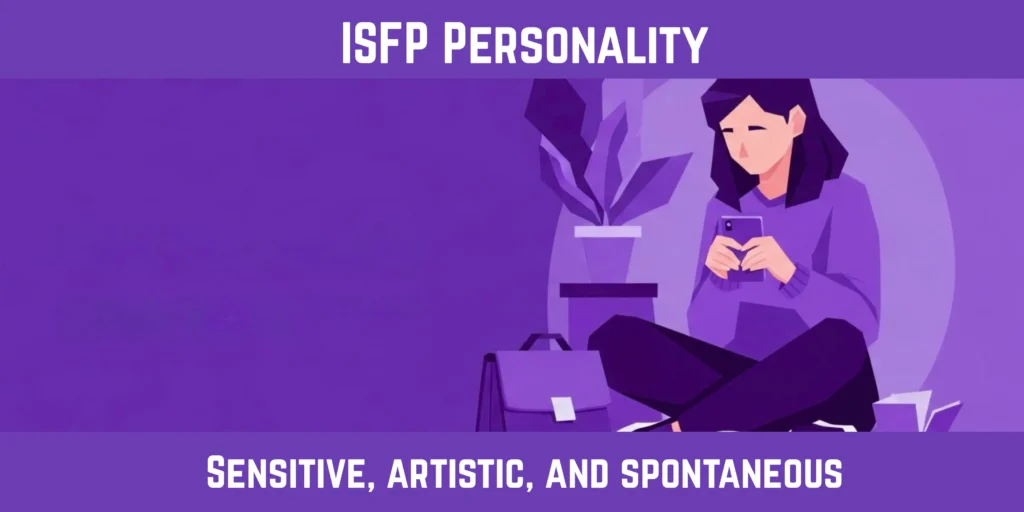
6. ISFP – The Gentle Artist
ISFPs are sensitive, artistic, and spontaneous. They enjoy living in the moment and expressing themselves creatively. They value personal freedom and harmony in their surroundings.
7. INFP – The Idealistic Dreamer
INFPs are empathetic, imaginative, and driven by values. They are deeply reflective and often seek meaning and purpose in life. They care about helping others and following their ideals.

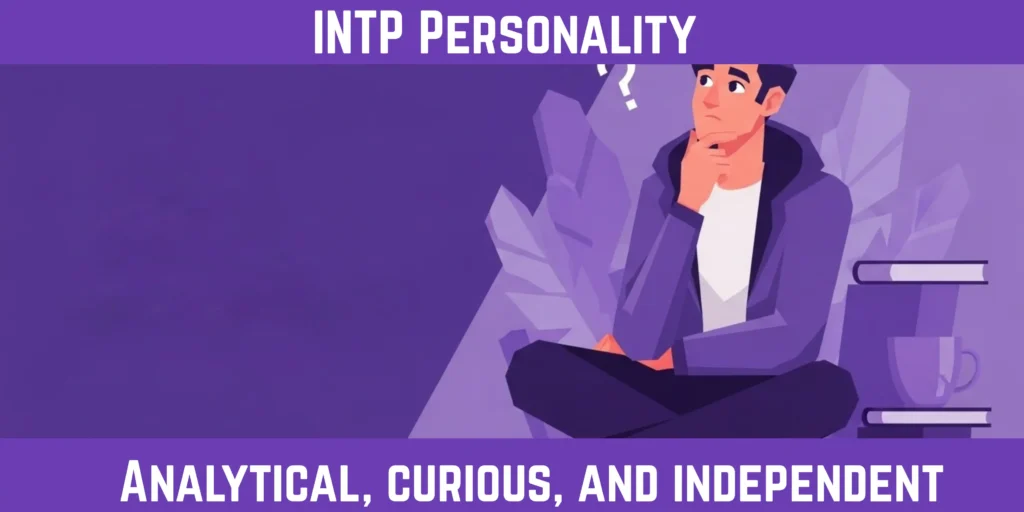
8. INTP – The Analytical Thinker
INTPs are curious, logical, and independent. They enjoy exploring ideas, theories, and patterns. They are inventive problem-solvers who value knowledge and understanding above all.
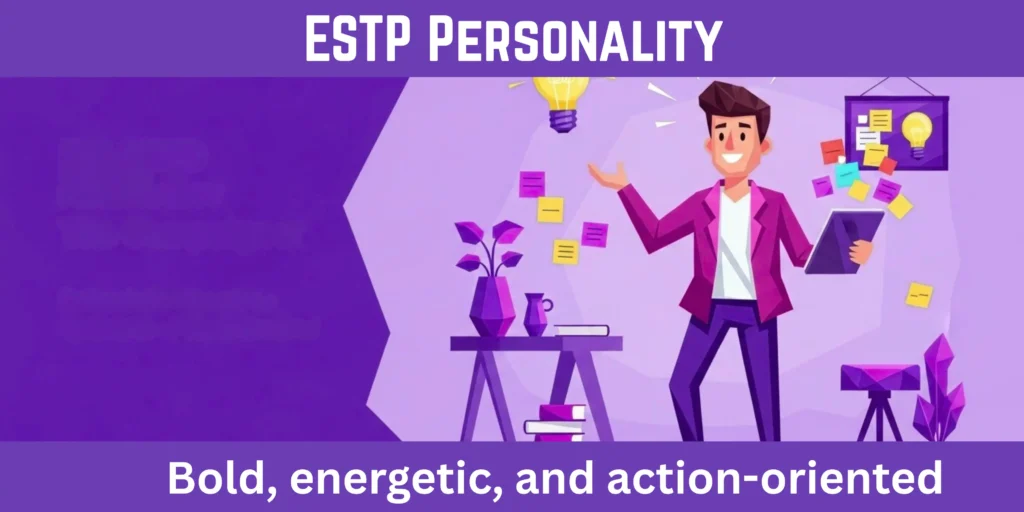
9. ESTP – The Energetic Doer
ESTPs are lively, action-oriented, and practical. They enjoy excitement and challenges, often learning by doing. They are adaptable and skilled at thinking on their feet.
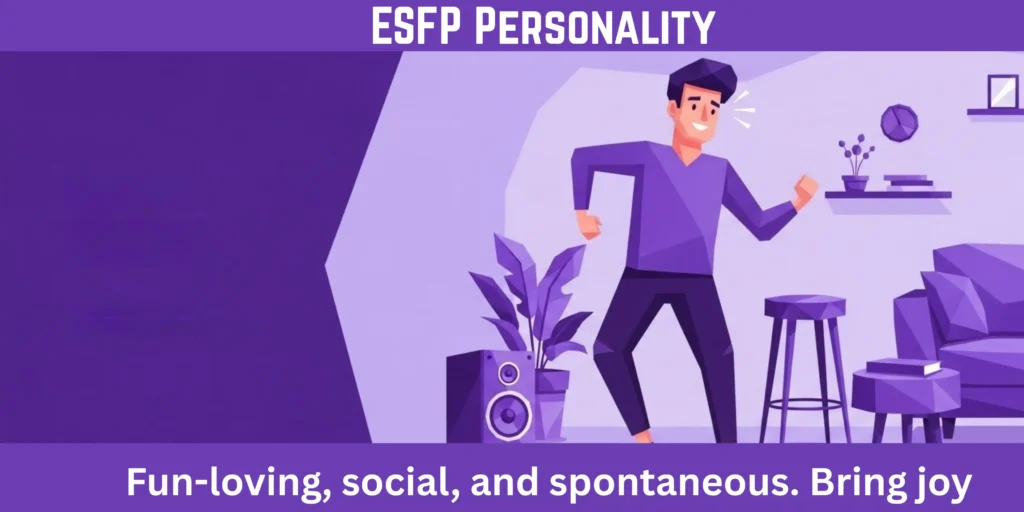
10. ESFP – The Enthusiastic Entertainer
ESFPs are outgoing, fun-loving, and spontaneous. They enjoy socializing and being the center of attention. They live in the moment and bring energy and excitement to any situation.
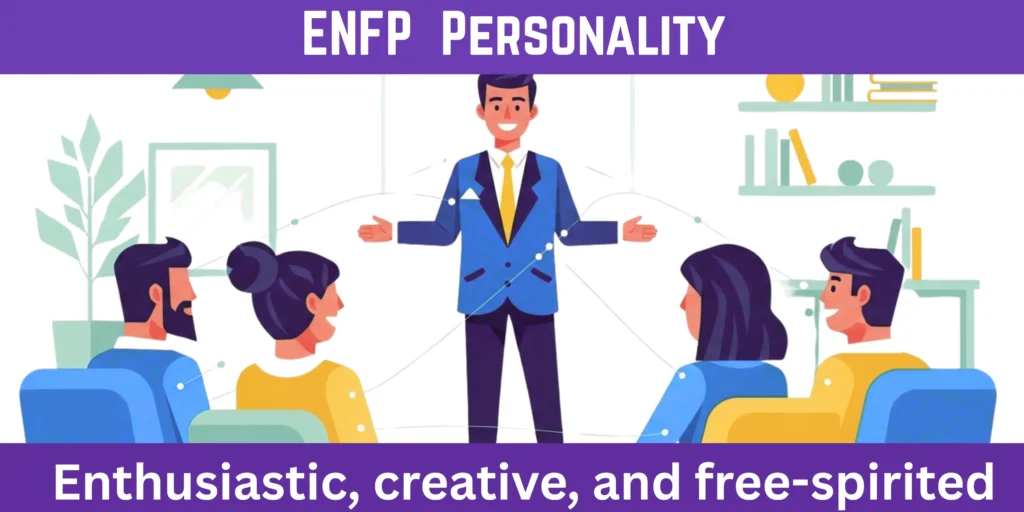
11. ENFP – The Inspiring Motivator
ENFPs are imaginative, enthusiastic, and curious. They are people-oriented and enjoy exploring new ideas and possibilities. They inspire others with their energy and optimism.
12. ENTP – The Creative Innovator
ENTPs are clever, adventurous, and bold. They enjoy debating ideas, solving problems creatively, and challenging the status quo. They are curious thinkers who love innovation.
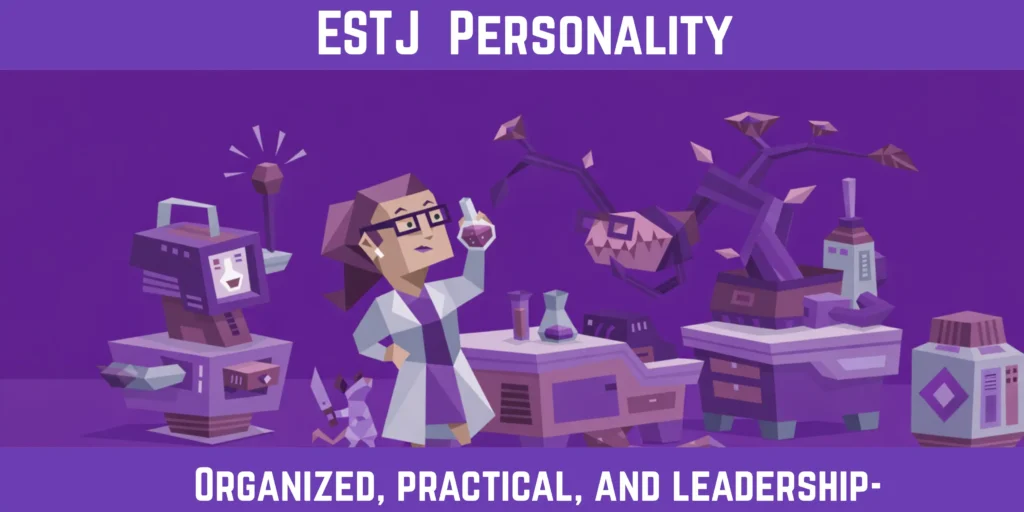
13. ESTJ – The Organized Leader
ESTJs are practical, structured, and responsible. They like order, rules, and clear expectations. They are natural leaders who organize people and resources effectively.
14. ESFJ – The Caring Supporter
ESFJs are warm, social, and helpful. They enjoy supporting others and maintaining harmony. They are dependable and often work hard to meet the needs of those around them.
15. ENFJ – The Charismatic Mentor
ENFJs are empathetic, organized, and inspiring. They are natural leaders who motivate and guide others. They focus on people’s potential and enjoy helping them succeed.
16. ENTJ – The Strategic Leader
ENTJs are confident, decisive, and goal-oriented. They are natural strategists who enjoy leading and organizing for long-term success. They are ambitious and focused on achieving results.
How Common is Each Personality Type?
Not all MBTI types occur equally in the population. Some are very common, while others are rare. Understanding the frequency of each type can give insight into how likely you are to meet people with similar or different personality preferences. The percentages below are general estimates based on studies of adult populations.
| MBTI Type | Description | Approximate % of Population |
| ISTJ | Responsible Organizer | 11–14% |
| ISFJ | Nurturing Protector | 9–14% |
| INFJ | Insightful Visionary | 1–3% |
| INTJ | Strategic Thinker | 2–4% |
| ISTP | Practical Problem-Solver | 4–6% |
| ISFP | Gentle Artist | 5–9% |
| INFP | Idealistic Dreamer | 4–5% |
| INTP | Analytical Thinker | 3–5% |
| ESTP | Energetic Doer | 4–5% |
| ESFP | Enthusiastic Entertainer | 4–9% |
| ENFP | Inspiring Motivator | 6–8% |
| ENTP | Creative Innovator | 2–5% |
| ESTJ | Organized Leader | 8–12% |
| ESFJ | Caring Supporter | 9–13% |
| ENFJ | Charismatic Mentor | 2–5% |
| ENTJ | Strategic Leader | 2–5% |
Is the MBTI a Reliable and Valid Test?
The MBTI is widely used and popular, but it has some limitations when it comes to scientific reliability and validity. Reliability means that a test gives consistent results over time. Some studies show that people can get different MBTI results if they take the test multiple times. This happens because personality can change slightly depending on mood, experiences, or circumstances.
Validity refers to whether a test actually measures what it claims to measure. The MBTI focuses on preferences, not abilities or skills, so it’s good at showing general personality tendencies. However, it may not be accurate for predicting job performance, intelligence, or success. Experts suggest using the MBTI mainly as a tool for self-awareness, personal growth, and improving communication, rather than a strict scientific measure.
Is the Myers-Briggs Missing Something?
While the MBTI is a popular tool for understanding personality, it has some criticisms and limitations. One common critique is that it oversimplifies personality by placing people into one of 16 types, even though human behavior is much more complex and can change over time. Some people also find that their results don’t always match their real-life behavior, which can make the tool feel inaccurate at times.
Criticisms and Limitations
The MBTI is not designed to measure skills, intelligence, or mental health, which some people expect from a personality test. It also relies on self-reported answers, so results can be influenced by mood, recent experiences, or how a person interprets the questions. Additionally, scientific studies have shown that MBTI results can lack consistency if someone takes the test multiple times.
What MBTI Doesn’t Measure?
The MBTI focuses on preferences, not abilities. It does not predict:
- Job performance or career success
- IQ or cognitive ability
- Emotional stability or mental health
- How adaptable someone is to change
It is best used as a tool for self-awareness and personal growth, rather than as a strict measure of personality or performance.
Advanced MBTI Tools
Beyond the basic MBTI assessment, there are advanced tools designed to provide deeper insights into personality and professional development. These tools expand the use of MBTI for more detailed self-understanding and organizational decisions.
LSP-R for Personality Insights
The LSP-R (Life Styles Profile – Revised) is an advanced tool based on MBTI principles. It provides in-depth personality insights, helping individuals understand their motivations, behavior patterns, and personal strengths. LSP-R® is often used for coaching, self-improvement, and team development, giving more detailed guidance than the standard MBTI.
SIGMA for Talent Decisions
The SIGMA assessment uses MBTI-based data to support talent management and HR decisions. It helps organizations match people to roles, identify leadership potential, and improve team performance. SIGMA is designed for professional environments where understanding personality can enhance recruitment, training, and career development strategies.
Conclusion
The Myers-Briggs Type Indicator (MBTI) is a helpful tool for understanding yourself and others. It shows your natural preferences in thinking, feeling, and interacting with the world. The MBTI does not measure skills or predict success. Instead, it offers useful insight for improving communication and making better career choices.
It also helps in building stronger personal and professional relationships. Despite some limitations, MBTI is valuable for self-awareness and personal growth. It can help you understand your strengths and move through life with more clarity and confidence.